
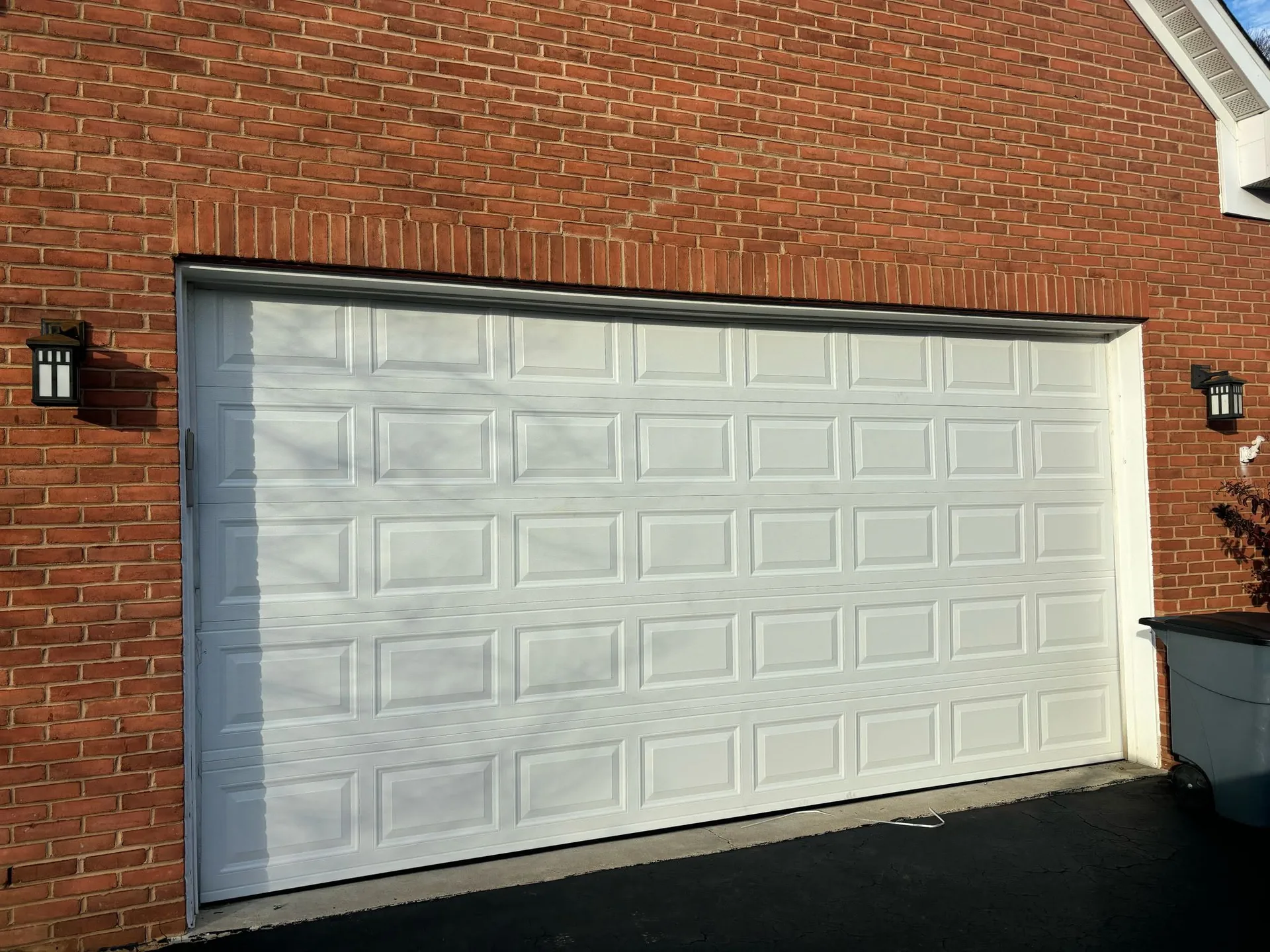
Begin with what changed
A door that worked yesterday can develop a problem in several different places. The useful starting point is the sequence: what control was used, whether the motor responded, how far the door moved and whether the door remained level. Mention a recent impact, power interruption, unusual bang or previous repair. These details help frame the assessment; they do not establish a failed part on their own.
Keep an unstable opening clear
Stop operating a door that is crooked, hanging from one side, visibly off its track or accompanied by a loose cable. Keep people and vehicles away from the opening. Do not pull an emergency release on a raised or damaged door, lift it with the opener or adjust spring hardware to see what happens. A malfunction is a reason to isolate the area and seek help.
What a useful diagnosis should explain
Ask the technician to identify the condition, show the relevant evidence and distinguish the failed component from any contributing damage. Door sections, rollers, tracks, cables, springs and the opener work together. A proposed motor repair should account for a door that is difficult to move; a hardware repair should account for the opener's behavior. Request the manufacturer-appropriate operating and safety checks included after the work.
Repair scope and replacement limits
A targeted repair may be appropriate when the affected part can be identified and a compatible replacement is available. Widespread panel damage, unavailable sections, damaged supporting structure or several unresolved faults can make a wider comparison useful. Ask for separate explanations of necessary work and optional improvements. A new door or opener should solve an identified need rather than serve as an automatic answer to every symptom.
Make the estimate usable
Share the property city, door position, symptom and safely accessible model information. Photos from floor level can help; avoid climbing or moving damaged equipment for a better view. Request the proposed parts, labor, exclusions and any diagnostic charge before approving work. Confirm the supported system and appointment availability with I-95 Garage Door. A callback request begins that conversation and does not itself reserve a visit.
Explore your next step
Sources and useful references
- CPSC: Non-Reversing Automatic Garage Door Openers Are a Hazard (PDF)
- Clopay: Garage Door Safety Checklist
Use the current official source and your product manual for requirements that apply to your address or model.