Report the first failure you observed
Include whether the problem appears with every authorized control or only one. If an error is visible from the ground, record its wording. There is no need to keep cycling the door or to hold a button to overcome a protective response just to provide a more detailed report.
A closing fault does not identify one failed part by itself. Ask whether the recommendation addresses movement, controls or another verified condition. If the door has become tilted, stop using it and explain its position before discussing sensors. Repair should follow the findings rather than an assumption that every reversal needs a new opener.
Explain the closing symptom without defeating protection
Say whether the door reverses before touching the floor, starts down and stops, or never begins to close. Note any displayed message you can read from the ground. These observations help describe the fault without requiring you to bypass a sensor, hold a control down to force closing or change force settings.
The assessment needs to distinguish a control or safety-device issue from a physical obstruction or movement problem. Keep the opening clear and stop using equipment that behaves unpredictably. Do not assume that an intermittent closing problem means a new opener is necessary. Ask what evidence identifies the defective component and how correct operation will be checked after the proposed work. A successful close on one attempt does not explain a recurring symptom or remove the need to evaluate it.
Local project information to confirm
North Miami Beach publishes building-permit information for local projects. Give the city the proposed door scope and actual property when asking which current requirements apply. A discussion about an operating symptom should not be confused with approval to alter the opening or install a selected product.
Share equipment details securely
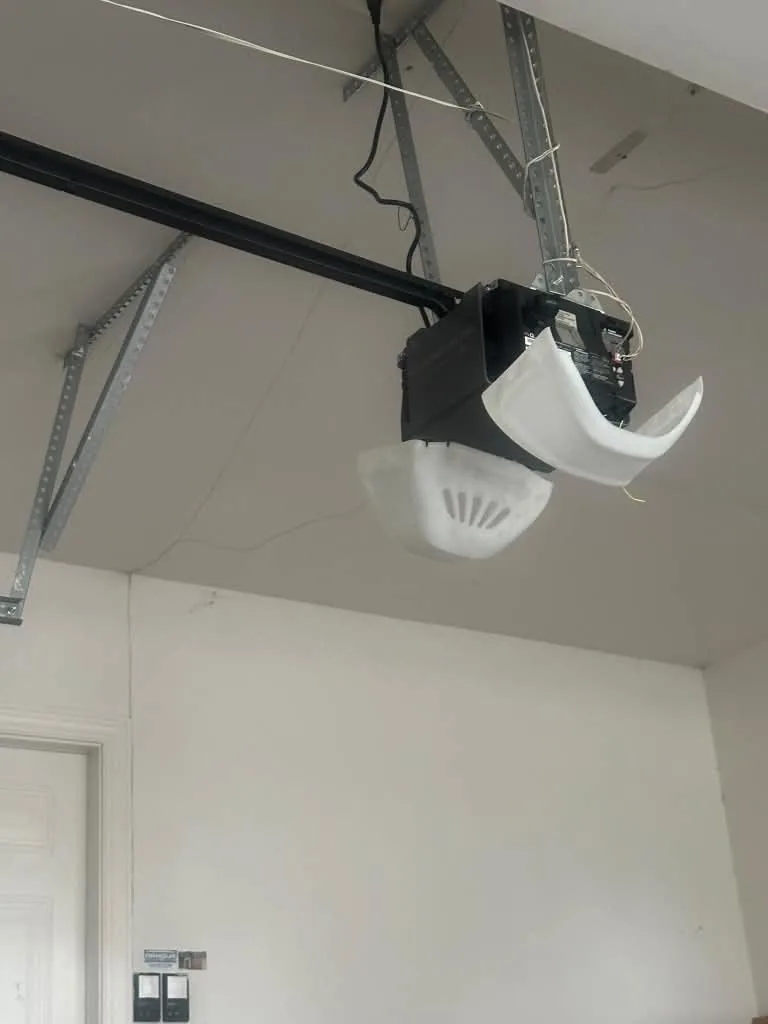
An opener model or a photograph of an accessible label can help prepare the discussion. Passwords, remote-access credentials, alarm codes and payment details are not needed in the initial request. If equipment is too high to read safely, leave the label for the assessment. Tell I-95 Garage Door your location, the controls affected and the door's current position. Confirm availability and supported equipment before expecting programming, repair or installation. The contact process starts a conversation about the work; it does not guarantee a diagnosis from a photograph.
Explore your next step
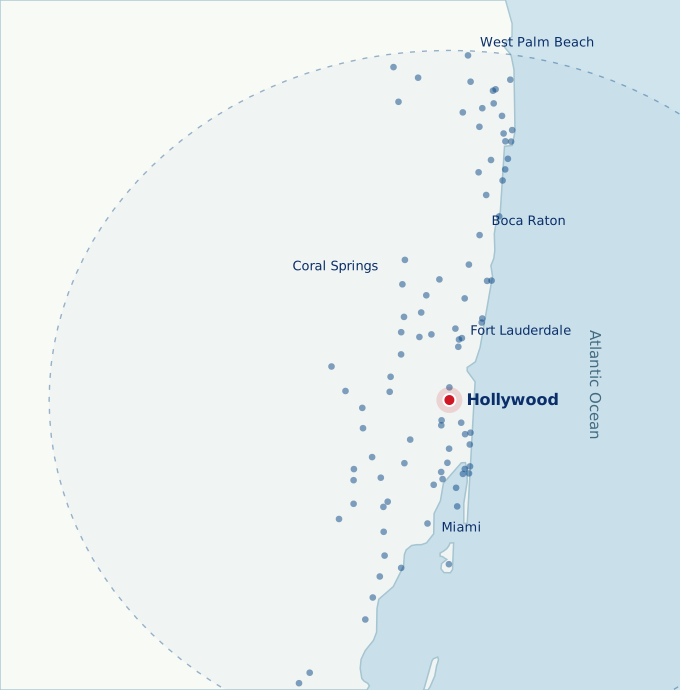
Nearby service areas
Sources and useful references
Use the current official source and your product manual for requirements that apply to your address or model.